
Foundations of Safety Science
How are today’s ‘hearts and minds’ programs linked to a late-19th century definition of human factors as people’s moral and mental deficits?
Safety Anarchist
Work has never been as safe as it seems today. Safety has also never been as bureaucratized as it is today. It’s time for Safety Anarchists: people who trust people more than process.
The End of Heaven

In his most personal book to date, Sidney Dekker tackles a largely unexplored dilemma: how our growing scientific understanding of why things go wrong actually makes it harder to explain why we suffer.
Just Culture

A just culture is a culture of trust, learning, and accountability. Why do your people break rules? How do you respond? Accountability is crucial. But there is more to it than meets the eye.
The Field Guide to Understanding Human Error
So you think you can solve safety problems by telling your people to be more careful, reprimanding the miscreants, or issuing new rules? Think again.
Safety Differently
The second edition of a bestseller, Safety Differently: Human Factors for a New Era is a complete update of Ten Questions About Human Error: A New View of Human Factors and System Safety.
Second Victim
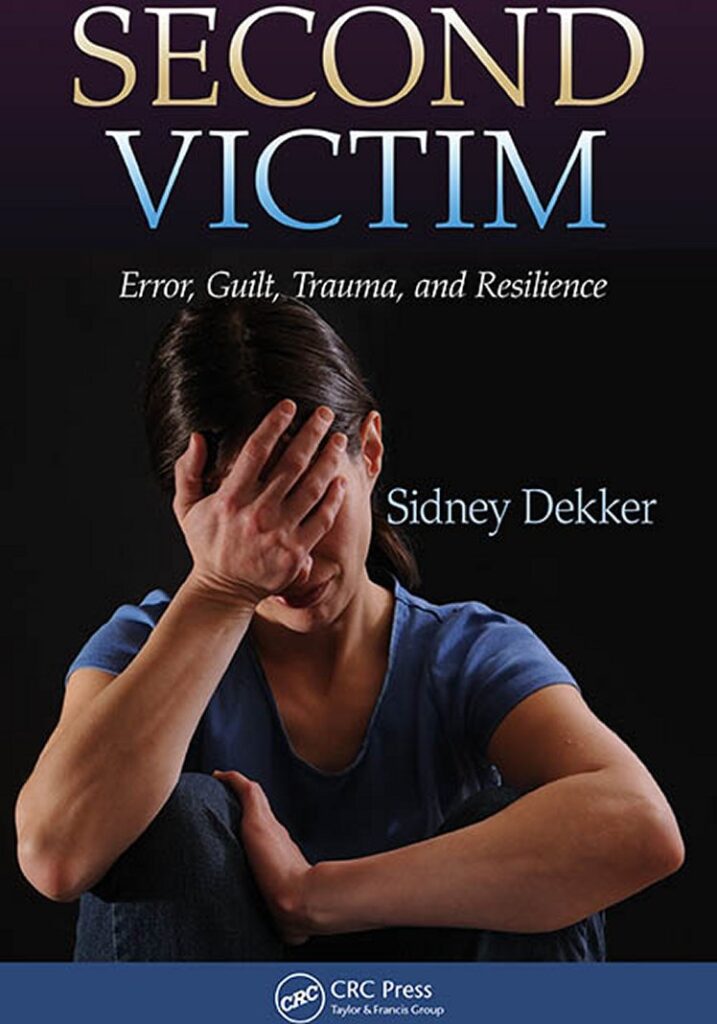
How do people cope with “causing” a terrible accident? When they survive and must live with the consequences? We tend to blame and forget them. But they are victims too.
Patient Safety
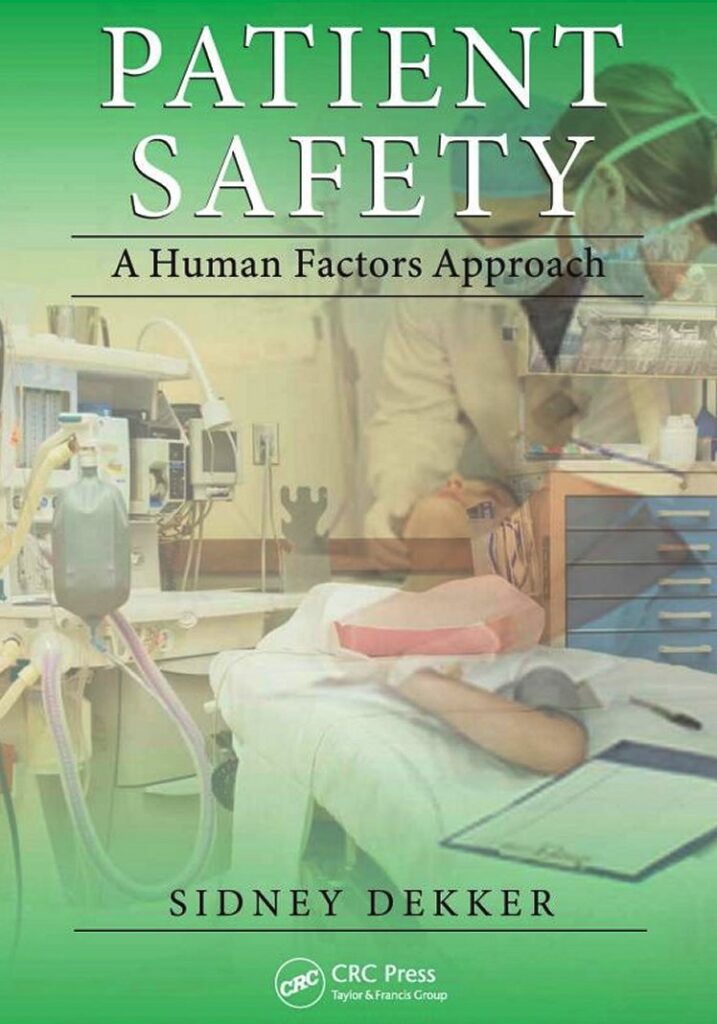
Increased concern for patient safety has put the issue at the top of the agenda of practitioners, hospitals, and governments. Risks to patients are many and diverse, and the complexity of the healthcare system that delivers them is huge.
Drift into Failure
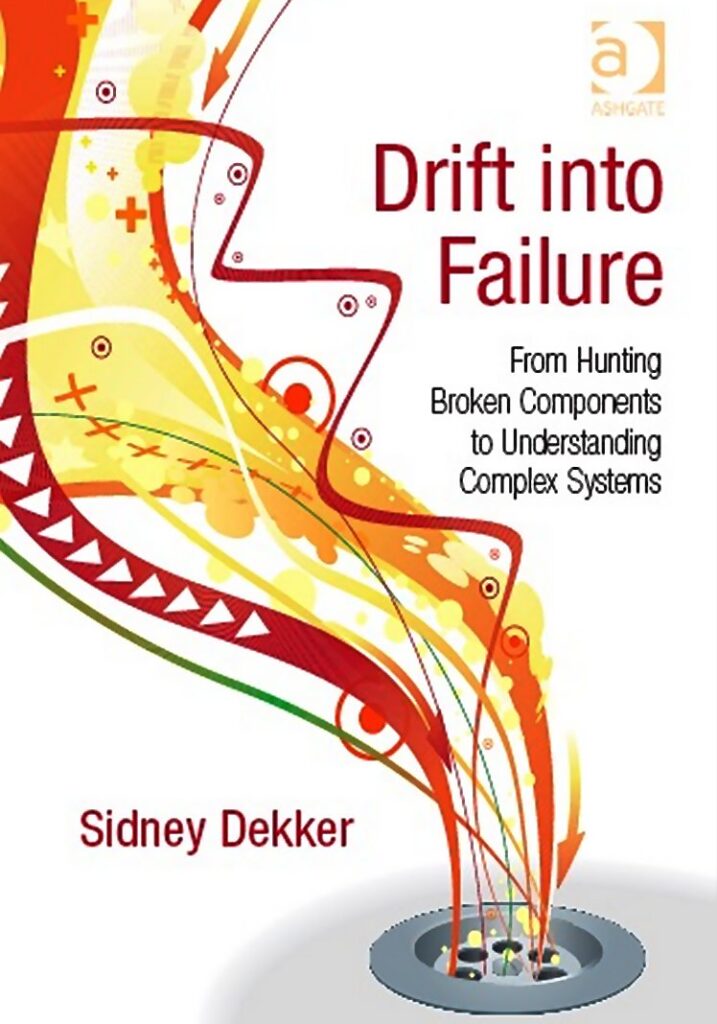
What does the collapse of sub-prime lending have in common with a broken jackscrew in an airliner’s tailplane? Or the oil spill disaster in the Gulf of Mexico with the burn-up of Space Shuttle Columbia?
Behind Human Error
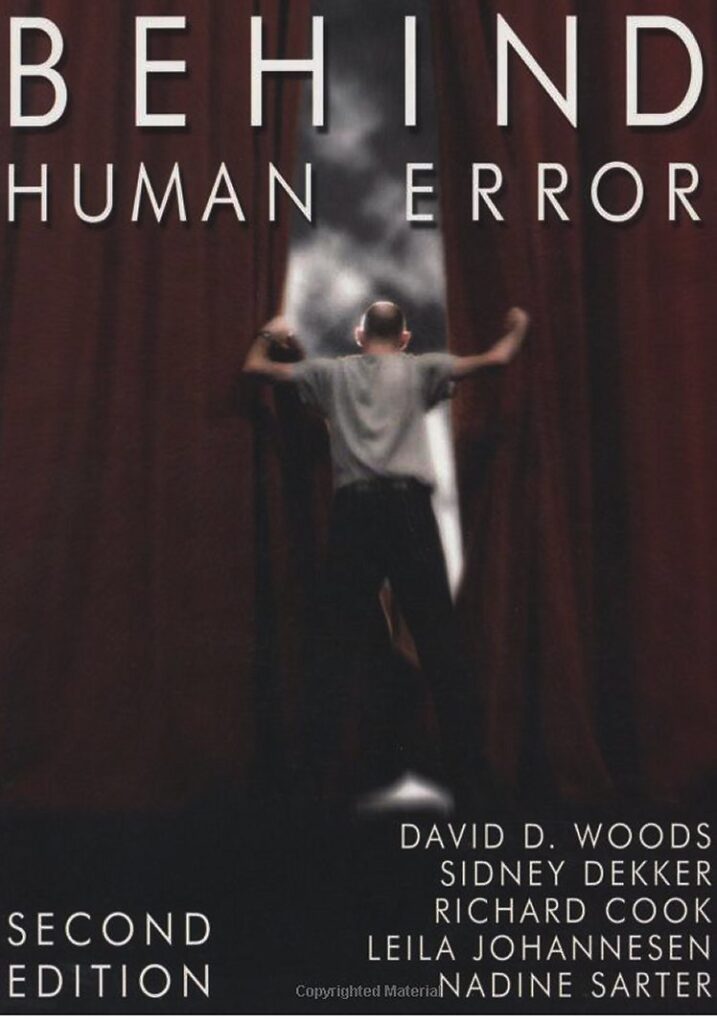
Human error is often blamed for incidents, creating a widespread perception of a ‘human error problem’ that’s seen as solvable by changing people or their roles. But this view is often oversimplified and underdeveloped.
